Why Foreign Trade Zones Are Becoming a Strategic Advantage for Importers in the Pacific Northwest
For importers moving cargo through the Pacific Northwest, tariff volatility is no longer an abstract risk.
Published: September 2026
Location: Tacoma, Washington
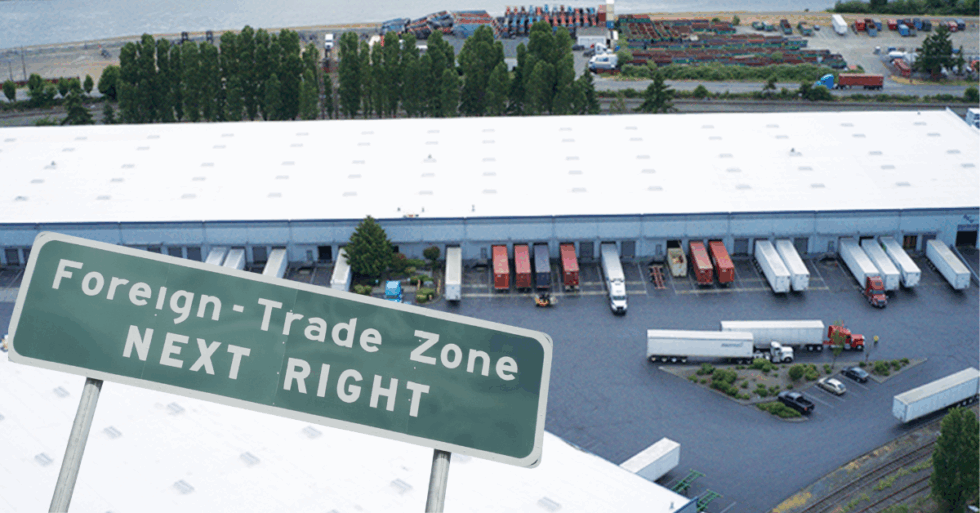
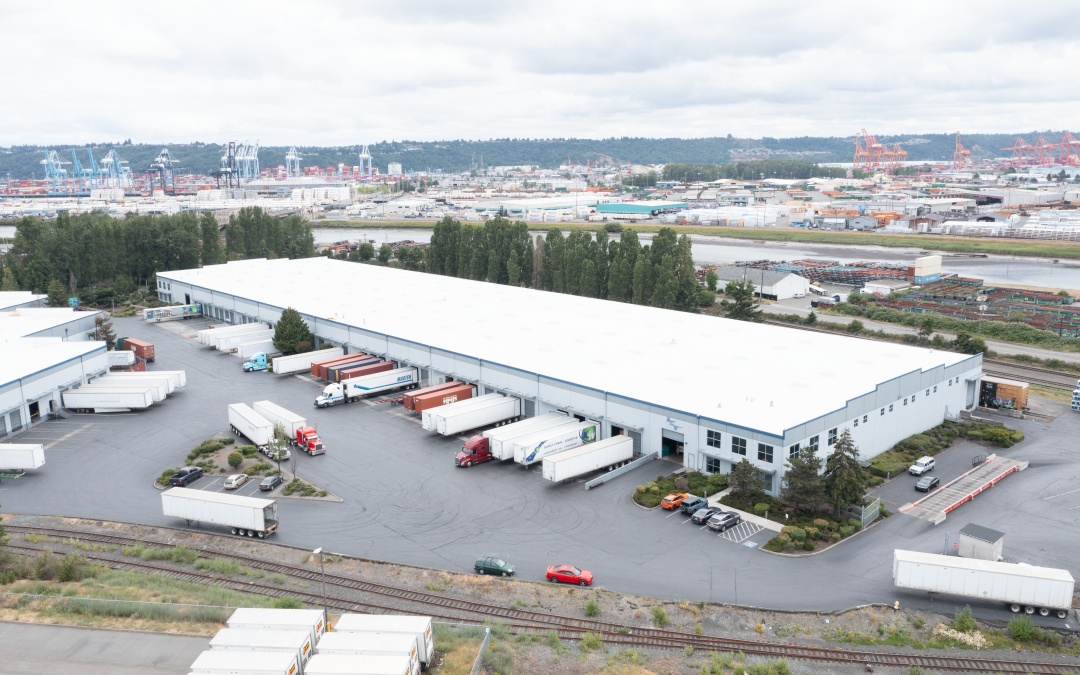
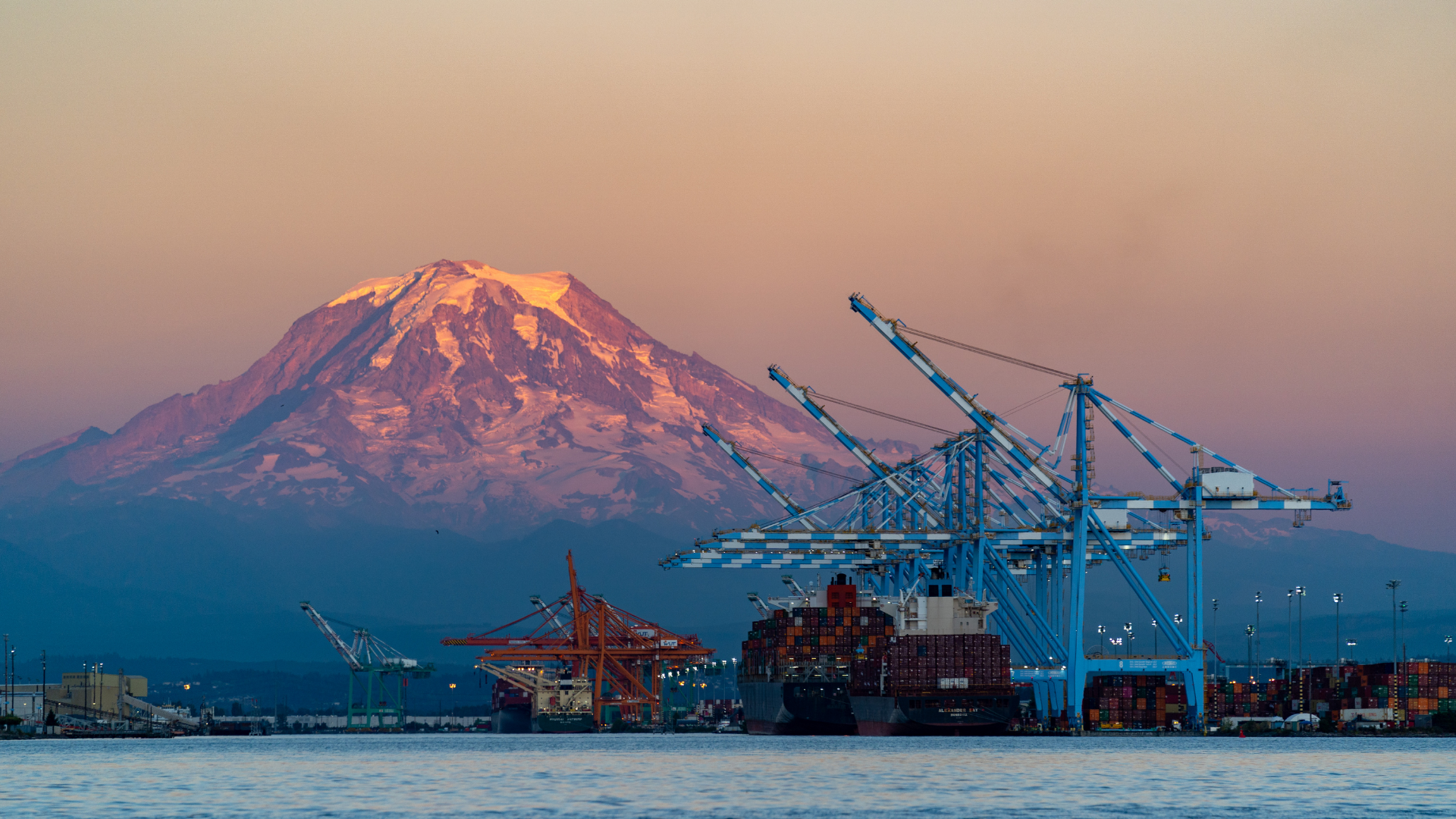
Since launching our Foreign-Trade Zone space, interest has steadily grown, and with the latest tariff concerns, we are seeing a strong influx of inquiries. Importers are proactively taking advantage of this opportunity to secure flexible solutions and protect their cash flow. Our Atlas Columbia warehouse location gives importers a massive logistical advantage. Positioned right at the Port of Tacoma, we provide a seamless, full-spectrum solution under one roof: port drayage, FTZ storage, inventory management, repacking, rail access, domestic delivery, and bonded re-export support.
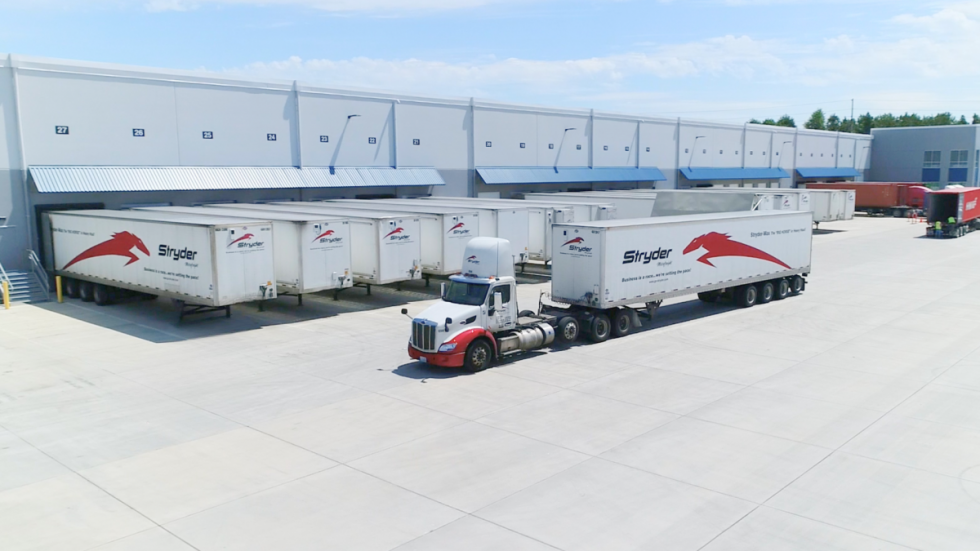
Atlas Columbia Warehouse
How Stryder's Tacoma FTZ Protects Your Supply Chain & Cash Flow
For importers navigating current trade shifts, utilizing an integrated FTZ model provides critical advantages:
Duty deferral
Duties and tariffs can be deferred until inventory officially leaves the FTZ and enters the U.S. market.
Re-Export Savings
Eligible goods that are re-exported (such as shipments bound for Canada or international markets) can avoid U.S. duties altogether.
Additional Cost Reductions
Realize potential savings on damaged, rejected, destroyed, or re-exported goods, and cut customs-processing costs through weekly entry options for high-volume importers.
Pay-As-You-Release
Customers pay duties as inventory is released rather than facing massive upfront payments on an entire shipment.
Multi-Market Flexibility
Hold inventory securely in one location while determining whether it will be sold in the U.S., Canada, or elsewhere.
Value-Added Processing
Product can be efficiently sorted, repacked, relabeled, and distributed directly within the FTZ program..
Why FTZ and bonded warehousing demand is surging in the Pacific Northwest
The Pacific Northwest plays a critical role in North American trade. Its proximity to Asia-Pacific markets, Canada-US cross-border flows, and major inland rail corridors makes it a natural hub for project cargo, breakbulk, and high-value imports.
Foreign Trade Zones in the Pacific Northwest allow imported goods to be stored in designated FTZ warehouses without triggering immediate duty payments. Duties are paid only when goods leave the FTZ and enter US commerce. Customs bonded warehouses provide similar flexibility, allowing goods to be stored up to five years before duties are assessed.
For importers moving high-value or project-driven freight, this timing difference can materially improve cash flow and operational flexibility.
These cargo types often arrive well ahead of project timelines. FTZ warehousing near Pacific Northwest ports allows companies to stage materials close to job sites without absorbing duties too early.
Demand is surging for project cargo and breakbulk freight
FTZ and bonded warehouse capacity across the Pacific Northwest is tightening, particularly for industries moving:
Lumber and forest products
Copper and industrial metals
Heavy machinery and oversized equipment
Solar panels and renewable energy components
Infrastructure and Construction Materials
How Stryder supports tariff-smart supply chains
Stryder is more than a warehouse or carrier.
We are a strategic logistics partners for importers operating
in the Pacific Northwest.
Our FTZ and bonded warehousing capabilities support:
Duty deferral through FTZ and bonded storage
Long-term storage for project cargo and critical spares
Port-adjacent storage near West Coast gateways
Entry fee consolidation to reduce Customs processing costs
Flexible release strategies aligned with project timelines
With FTZ-enabled facilities already open for operation and additional designations underway, Stryder is positioned to help customers move faster and plan smarter in a tightening capacity environment.
The takeaway for Pacific Northwest importers:
Tariffs may be changing, but your supply chain has options. Stryder USA has the space, the location, and the services ready to support you right now.
In the Pacific Northwest, access and expertise matter.