
Scaling the $1.59T Packaging Boom: Why Multimodal Rail and Heavy-Haul Infrastructure Are Redefining North American Supply Chains
- Published: September 2026
- Location: Tacoma, Washington
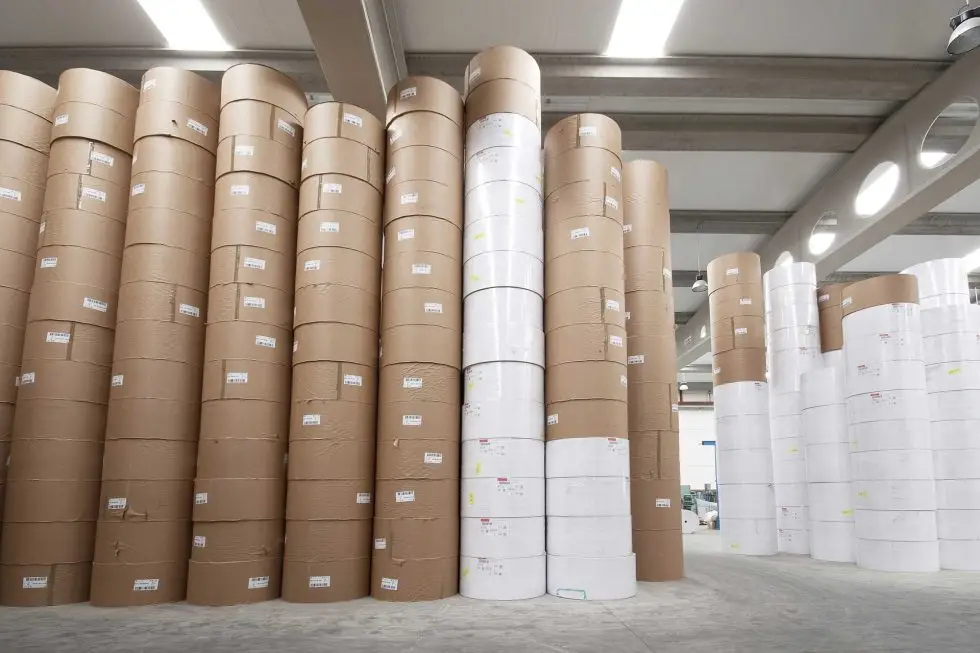

The Global Packaging Shift: A $1.59 Trillion Market in Motion
Packaging is no longer viewed merely as a protective casing for finished goods; it has evolved into a strategic lever for brand differentiation, environmental compliance, and global supply chain resilience.
According to market research highlighted by Packaging Professionals Network (citing September 2026 estimates by VMR), the global packaging industry is undergoing rapid structural expansion:
Market Valuation
The global packaging market, valued at $1.109 trillion in 2025, is projected to surge to $1.591 trillion by 2034, expanding at a compound annual growth rate (CAGR of 4.21%).
Material Diversification
While the market encompasses plastics, rigid and flexible formats, glass, and metals, paper and paperboard packaging are seeing unprecedented structural demand fueled by e-commerce adoption, shelf-life innovation, and consumer preferences for renewable materials.
Regional Dynamics
The Asia-Pacific region accounted for roughly 38.80% of total revenue in 2025, driving raw material supply chains, international container flows, and cross-border trade lanes.
The Sustainability Mandate: Circularity and Compliance
Driving much of this shift is the global push away from single-use plastics and toward circular economy models. Data shared by the Packaging Professionals Network notes an OECD benchmark: only 9% of global plastic waste was recycled historically, emphasizing the critical need for recyclable designs, closed-loop collection, and bio-based alternatives.
With stringent global regulatory benchmarks, such as the European Union’s Packaging and Packaging Waste Regulation (PPWR) taking effect in mid-2026, manufacturers across North America are pivoting rapidly toward recyclable, high-barrier, and fiber-based solutions.
Yet, as mills and packaging converters scale production to capture this trillion-dollar wave, a new operational bottleneck has emerged: freight physics and multimodal logistics capacity.
The Logistics Bottleneck: High Volume, Dense Payloads, and Supply Chain Friction
Paper and corrugated materials present distinct logistics hurdles:
Weight vs. Cube Density
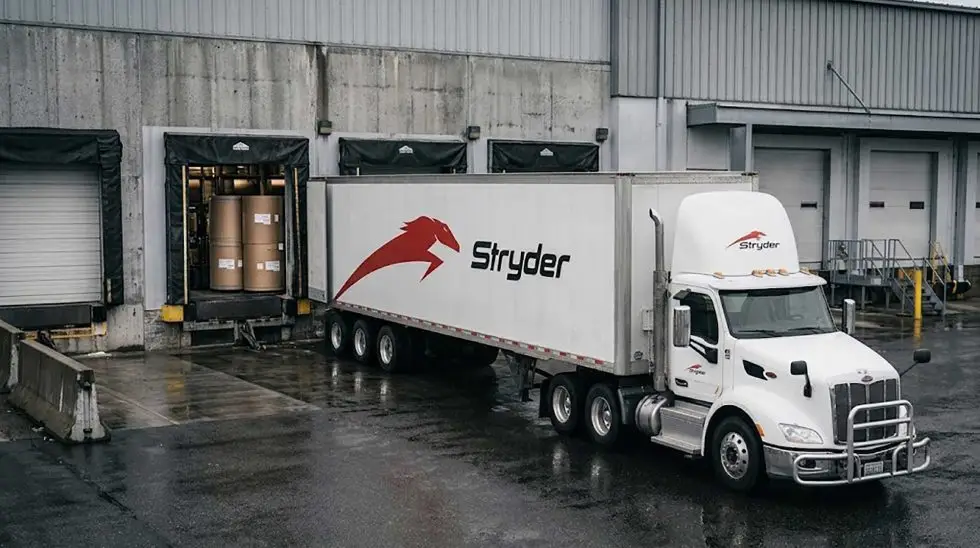
Paper rolls, raw paperboard, and dense packaging substrates are notoriously heavy. Standard highway trailers frequently gross out on weight long before they run out of physical space, driving up freight costs per ton.
Strict Quality Standards
High-end consumer goods, e-commerce shippers, and food and beverage brands demand pristine, contaminant-free transport and storage environments.
Modal Fragmentation
Moving bulk paper from inland mills to high-throughput conversion plants, major metropolitan distribution hubs, and ocean export terminals often involves fragmented hand-offs, including coordinating separate rail switches, draymen, warehouses, and over-the-road carriers.
To capitalize on global demand, packaging manufacturers need more than standard brokerage. They need an asset-based, multimodal backbone capable of absorbing massive volume without friction.
The Solution: Stryder’s Consolidated Service Model
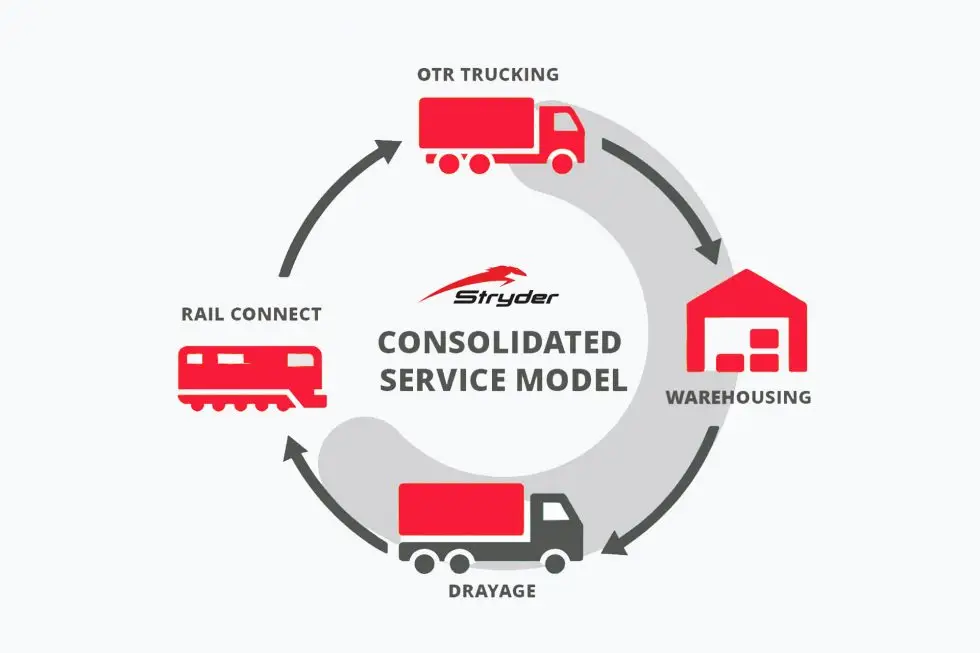
At Stryder USA, we bridge the gap between production and delivery through our Consolidated Service Model. Rather than managing disjointed vendors, our clients leverage an end-to-end framework integrating rail transloading, dedicated warehousing, port drayage, and an asset-based transportation fleet across our extensive U.S. and Canadian network.
One Network. One Partner. Your Total Control
By aligning every node of the supply chain through owned assets and specialized facilities, we deliver faster execution, direct access to global distribution networks, and complete shipment visibility.
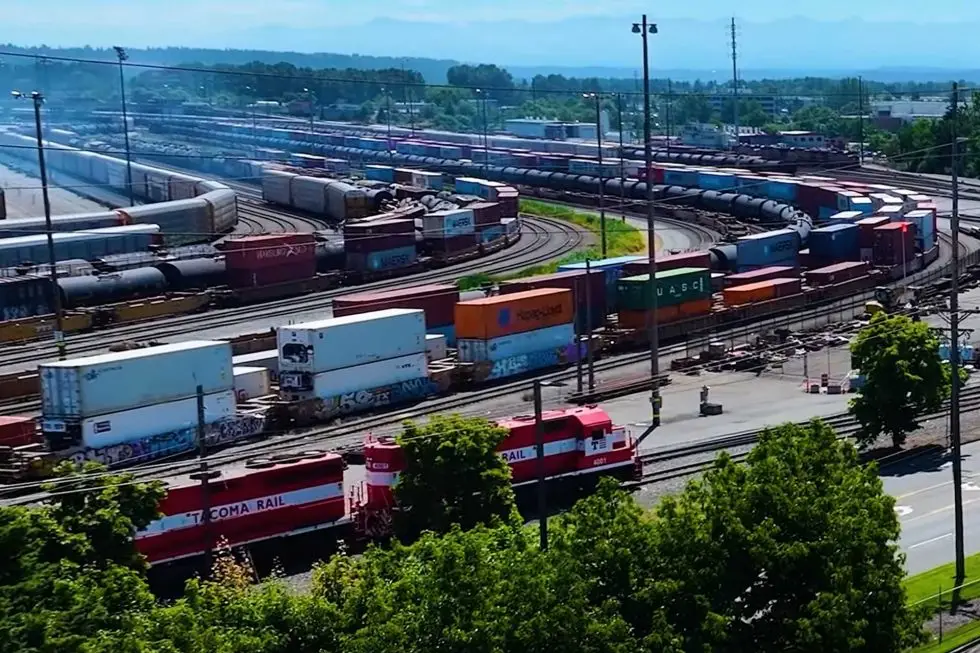
Strategic Multimodal Infrastructure: Paper-Dedicated Rail & Transload Hubs
Rail transport remains the most cost-effective, low-carbon method for moving dense paper rolls, pulp, and corrugated substrates across long distances. However, capturing the full economic advantage of rail requires seamless connectivity to global ocean terminals, regional conversion plants, and end-user distribution networks.
Stryder operates purpose-built, paper-dedicated facilities strategically positioned to connect Class 1 rail directly to highway corridors and maritime ports:
Paper-Dedicated Facilities Across Key Gateways
Our network, including Atlas Columbia Warehouse, Milwaukee Way, and our specialized Tacoma Paper Facility, is custom-engineered to handle high-throughput paper, packaging, and pulp logistics.
Direct Dual-Rail Class 1 & Shortline Switching
✓ Facilities feature direct, exclusive rail connections to both Western Class 1 railroads: BNSF Railway and Union Pacific (UPRR). ✓ Our Milwaukee Way facility is served by Tacoma Rail, providing switching fluidity, rapid car turnover, and local rail flexibility.
13 Dedicated Rail Doors
Engineered for continuous, high-volume daily railcar spotting, cross-dock transloading, and weather-protected handling. These hubs connect rail freight seamlessly to ocean ports, regional distribution channels, and manufacturing customers without direct rail access.
Strategic Maritime & Port Advantage
Positioned as an integral part of the largest warehousing networks serving the Port of Tacoma, our dedicated paper hubs link global import/export container lines with domestic intermodal networks.

Warehousing Engineered for Food-Grade and High-Throughput Packaging
High-volume packaging logistics requires precision inside the four walls of the facility:
Food-Grade Certified & Dry Storage
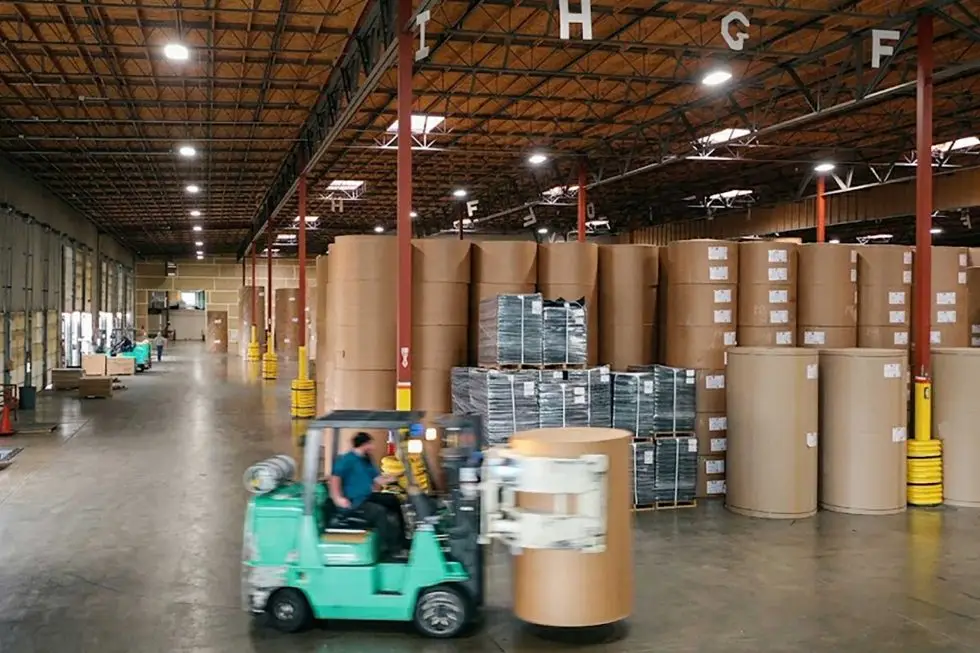
Safe, humidity-controlled, and immaculate storage environments built to protect paper rolls, corrugated stock, and finished consumer packaging.
Efficient Pallet Handling & Streamlined Appointments
Automated appointment scheduling, rapid yard checks, and high-throughput material handling systems built to turn trailers quickly and keep driver dwell times near zero.
Flexible, Scalable Storage Capacity
Scalable warehouse footprints designed to buffer seasonal packaging spikes and production surpluses without disrupting plant operations
Transportation, Rail & Drayage Fleet: Built for Heavy-Haul Paper Freights
Moving dense, heavy paper rolls and palletized packaging substrates requires specialized engineering on both the highway and the tracks. By tightly syncing our rail switching capabilities with specialized road assets, Stryder eliminates the bottlenecks typically found at the railhead and terminal gates:
Rail Capabilities & Multimodal Synergy
Direct Dual-Rail Siding to Highway Flow
With active, seamless switching across BNSF, Union Pacific, and Tacoma Rail, our Atlas Columbia and Milwaukee Way facilities act as high-velocity rail-to-highway release valves. We transload heavy boxcars directly into our dedicated highway fleet without intermediate staging delays.
Railcar-to-Plant Execution
For customers without direct rail access, Stryder serves as the vital multimodal bridge, bringing bulk rail economics directly to off-rail conversion plants and end-user distribution centers.
Inbound & Outbound Rail Support
Comprehensive management of both inbound raw material railcars (such as virgin fiber, pulp, and parent rolls) and outbound finished goods, maximizing car cycle times and avoiding demurrage penalties.
Specialized Asset Fleet & Heavy-Haul Road Muscle
100+ Heavy-Haul High Trailers
Featuring a modern lineup that includes 60 new 4-axle quad configurations, maximizing legal road payloads and lowering freight spend per pound.
High-Cube Specialized Units
Custom-engineered to carry dense paper rolls weighing up to 60,000 lbs.
Flexible Configurations
Full Truckload (FTL), dedicated fleet contract options, and Long Combination Vehicles (LCVs) optimized for cross-border and regional lanes.
DuraPlate® Dry Vans & Temperature-Controlled Trailers
Heavy-duty, all-late-model trailers engineered for durability, puncture resistance, and cargo protection.
Cross-Border Expertise
Decades of specialized 4-axle heavy-haul and cross-border shipping experience connecting the U.S. and Canadian markets.
Port Drayage & Tacoma Heavy Haul Corridor Location
Located Directly Within the Heavy Haul Corridor
All of our paper-dedicated facilities are situated directly within the Tacoma Heavy Haul Corridor. This strategic location allows us to legally pull maximum-gross-weight import/export containers and heavy paper freights directly between marine docks, rail ramps, and our warehouse doors without re-working or down-gauging loads.
Super Chassis & Standard Fleet
Purpose-built standard and super chassis engineered to handle heavy containerized paper exports and raw material imports at peak capacity.
SmartWay® & Bonded Carrier
Certified environmental efficiency, customs-bonded transit integrity, and flexible drop-and-hook capabilities across key West Coast port and rail ramps.
Award-Winning Client Service
Backed by a dedicated operations team providing real-time tracking, proactive appointment management, and high-velocity execution.

Accelerating the Future of Packaging Logistics
As the paper and packaging industry accelerates toward the $1.59 trillion mark by 2034, sustainable growth will belong to manufacturers whose logistics networks match their manufacturing speed.
Whether you are converting raw pulp, distributing corrugated packaging, or exporting finished goods through West Coast maritime gateways, Stryder USA provides the infrastructure, dual-rail muscle, and heavy-haul fleet to keep your business moving ahead.
Ready to streamline your paper and packaging distribution network?
Contact our paper experts at sales@go-stryder.com to design a custom transload and freight solution tailored to your operational volume.